“Pay no attention to that man behind the curtain….” I awoke this morning with that quote and image from the Wizard of Oz in my mind. Wizard of Oz fans may remember this part of the movie toward the end when Dorothy is requesting to the Great Oz that he provide her with a return journey back home while the Great Oz flashes scary images and threats onto the screen and tells her to go away. But while this is happening, Toto ha s found the hidden room where the man is controlling the images projected onto the screen, and Toto is exposing the man behind the curtain to Dorothy. “Pay no attention to that man behind the curtain….” the man behind the curtain desperately implores. To me, this image of the projection screen and the man behind the curtain is a metaphor for what we all can sometimes do with ourselves as we project the image that we want others to see into the world.
“Pay no attention to the man behind the curtain,” we say while we hide the parts of ourselves that we think might be displeasing behind the curtain. We shove the scared one, the vulnerable one, the loud one, the big one, the controlling one, the needy one, the one who thinks we could never be lovable as we are…we shove them all in a little room in the back—behind the curtain. And we place our hands on the controller for the projection screen, “I am the great and powerful Oz!” we say. Hoping, just hoping that others will buy into the image on the screen, perhaps that even we will buy into the image on the screen….under the delusion that the projection will enable us to finally experience the love and acceptance that we so desperately crave.
But it will never work. It will never work to lock parts of ourselves in the back room or hide parts of ourselves behind the curtain. It does not allow us the opportunity to see and embrace ourselves in the fullness of our humanity, nor does it allow us to be truly seen and connected with others. We cannot learn to truly love ourselves or one another unless we can allow in the fullness of our humanity–the light and the darkness.
What we are looking for in this journey of life is right relationship with the parts of ourselves that could wreak havoc on our relationships if not healed and attended to. I don’t want to BECOME the controller, the needy one, the fearful one, the irrational one, but I also don’t want to deny those parts of myself either. Through the many tools available (including, but not limited to prayer, meditation, therapy, contemplation, mindfulness, self-compassion, patience, time, intention and wisdom), I want to learn to embrace and hold, touch and heal those deeply human parts of myself and my psyche that all humans share.
At a Mindful Self-Compassion training that I attended last year, our cohort attended a lecture on a model of psychotherapy called Internal Family Systems Therapy (IFS), which suggests just this approach to embracing the many parts of ourselves. I am currently reading Jay Earley’s book on IFS, entitled, Self-Therapy, and I wanted to share two illustrations from his book.
This first illustrates our psyche when we are hiding certain parts of ourselves from ourselves (and the world) and defending against the pain of being fully exposed.
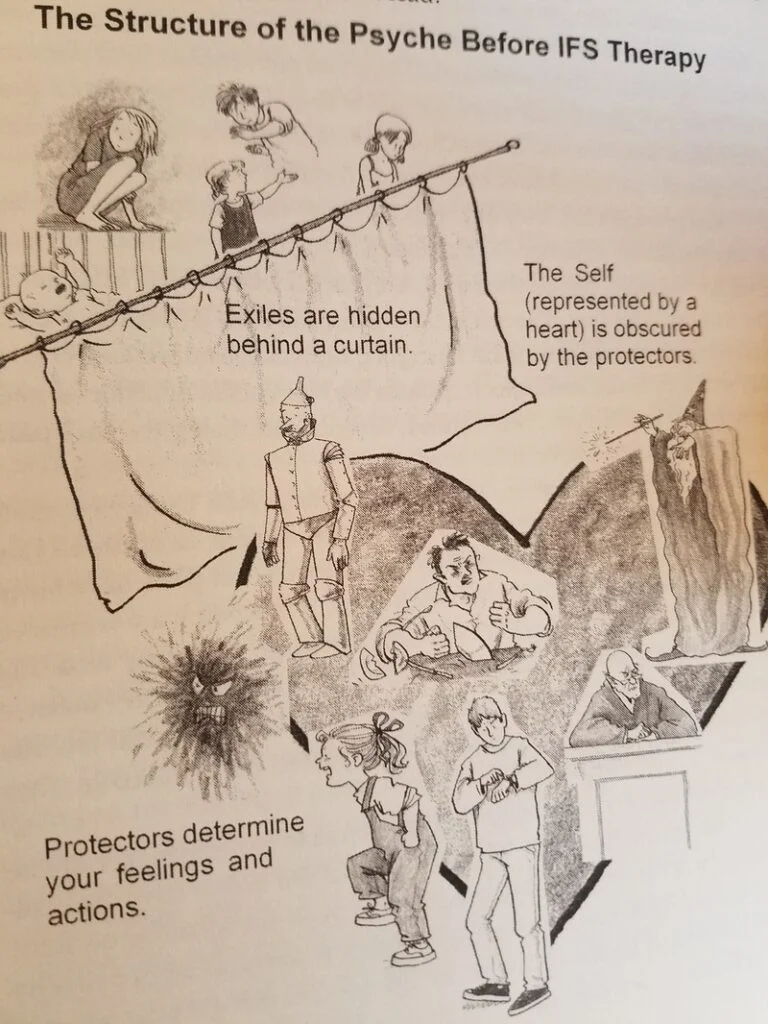
In this first illustration (above) the love of the heart is obscured by its protectors, and the parts of ourselves that deeply need healing are obscured from the light of consciousness.
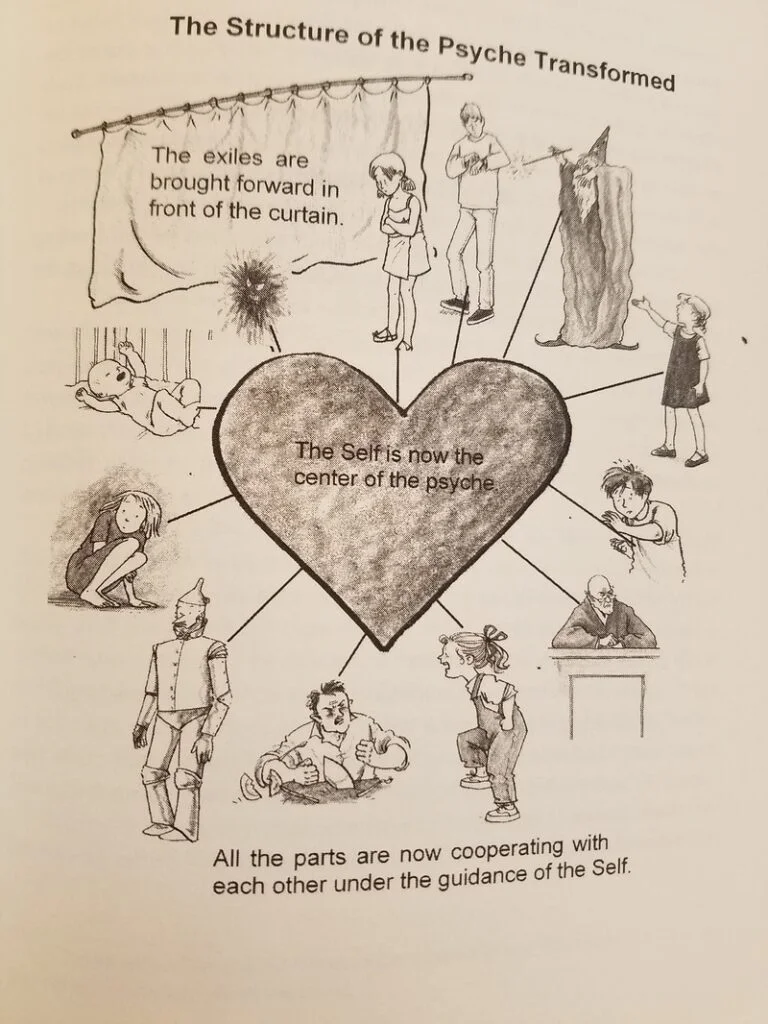
The second illustration shown above illustrates the psyche when it has become Self-led—when it has learned to embrace and integrate the man (and women and children) behind the curtain.
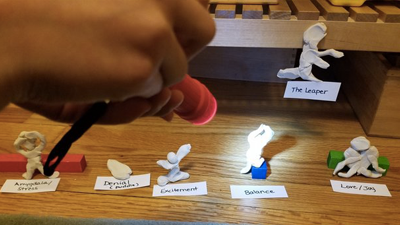
And I would like to share with you how deeply freeing and healing it has been to learn to embrace ALL of myself. I used to fear that if I embraced the “dark” parts of myself, that they would grow bigger, but instead I am finding that the “dark” (aka human) parts of myself become “right sized” when I hold them in the spacious light of loving awareness. I’ve even explored this idea in playful ways with my daughters. One evening we created clay figures to represent different feelings and took turns shining a “flashlight of awareness” on each one to hear what it had to say, an activity I describe in more detail in another story.
The needy one, the controlling one, the fearful one, the irrational one…they are a part of me. But they are a part, not the whole, and when I relate to them in a healthy way they enhance my compassion and ability to relate with others.
As I shift my focus away from hiding from my dark parts, I am starting to allow in the light of self-appreciation. I am intentionally cultivating an awareness and appreciate for the fact that I (like you) am amazing, courageous, inspired, open, authentic, encouraging and creative. The miracle of this integrative work is that as I learn to embrace the wonderful parts of myself, I am simultaneously learning to behold and appreciate the amazing parts of you, too. And there is an awareness growing in my heart that who I am and who you are is much, much bigger than the sum total of our parts.
So it is my wish that you and I—sisters and brothers on this journey of life—may cease to put our energy into hiding and controlling the images on the projection/protection screen. It is my wish that we may cultivate the strength, grace, courage, love, resilience and connection to embrace and integrate the many uncomfortable and amazing parts of ourselves. For it is only from a deep place of self-love, self-appreciation and self-acceptance that we can truly love, embrace and appreciate one another.

 The other night I lay in bed, unable to fall asleep. I was feeling sadness about something that had happened earlier in the day, and I offered myself a little compassion for the difficulty. I then went through my usual repertoire of things I do when I lay in bed: I thought about three good things that had happened that day, and then I did the 61 points meditation that so often lulls me to sleep.
 At some point my mind dazed off, and eventually I fell asleep. I feel so grateful for my self-compassion tools (and mindfulness and gratitude practices) that offer me comfort when I encounter the inevitable challenges of daily (and nightly) life.
 I recently began teaching a mindfulness curriculum to a group of middle school students in a Milwaukee Public School. Before I even began teaching, one of the middle school teachers said to me, “Mindfulness doesn’t work.”
 My older daughter Maya was born sensitive, curious, and creative. As Maya grew, I learned that all of her five senses were extra sensitive. For her sounds were louder, smells and tastes more acute, she had a strong draw to everything tactile, and she saw “light shows” that made artificial lighting both intriguing and exhausting. Maya’s overstimulated nervous system made it difficult for her to regulate her emotions, and full out meltdowns were a common occurrence. When Maya was given free time, her curiosity and creativity allowed her to engage herself in a task for hours. At the same time, transitions and rote tasks were incredibly challenging for her because they pulled her away from the mesmerizing present moment.
  When Maya became preschool age, I felt challenged as to how to both support her curiosity and creativity as well as facilitate her acquisition of simple life skills and lead her to accept redirection. Maya’s intense wonder and curiosity made walking from her preschool to the car parked in front of the building a half-hour endeavor (with periodic meltdowns), and brushing her teeth a task that required many, many redirections.
 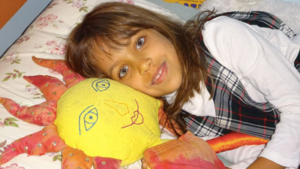 To have my daughter begin to lose her sense of self-worth was my worst nightmare, and I began to see a helping professional in the hopes that I could learn to be more patient and less reactive to Maya’s distractibility and frequent tantrums. The professional who I worked with suggested that I needed more self-compassion. She suggested that I was “too hard on myself.” Hmmmm……
 As I learned how to walk myself through the voice of shame into the sunlight of compassion, I was increasingly able to walk Maya through the voice of shame into the sunlight of compassion. As I learned how to embrace my own imperfections, I became able to help Maya to embrace her imperfections. As I grew in self-love and self-appreciation, I helped Maya to grow self-love and self-appreciation. And my daughter and I both began to thrive.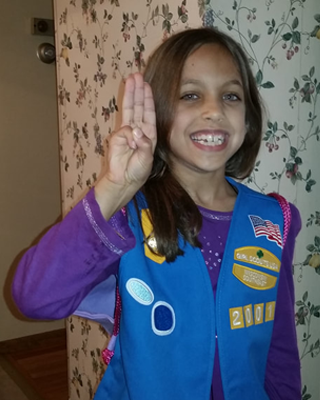
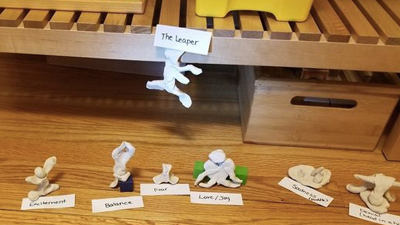 A few weeks ago I was contemplating schooling options for my daughters for next year. Even though my daughters currently attend a wonderful, progressive school that is a block and a half from the home where we are living, every so often I hear a little voice that tells me that I should enroll my children in a Montessori School. Lately, I have heard so many wonderful things about Montessori schools, that I decided to ask my older daughter, Maya, if she would even be interested in attending a Montessori school.
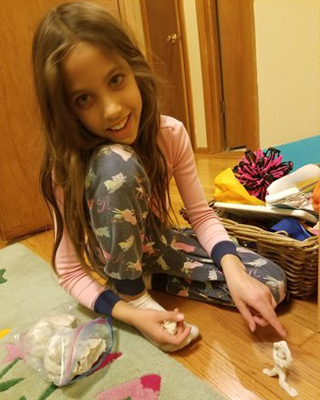 I asked Maya to name the feelings that she had in relation to the possiblity of potentially changing schools and moving. Together we named and created clay characters for the “amygdala” (Maya’s idea–colloquially known as STRESS), excitement, balance, the “leaper,” sadness, fear, denial and joy/love.
  Ultimately, what is important is not the decisions that our family makes-to change schools or not, to move or stay put. What is important is that I am listening to the many voices with openness and curiosity and listening still further for the steadiness beneath them all. What is important is that I am asking the questions, “What do I need?” and “What do my children need?” and listening carefully to the answers to these questions.