
Meet the Resilience Habit Animals
Five playful characters that help kids (and the adults who care for them) respond to hard moments with mindfulness, self-compassion, and kindness.
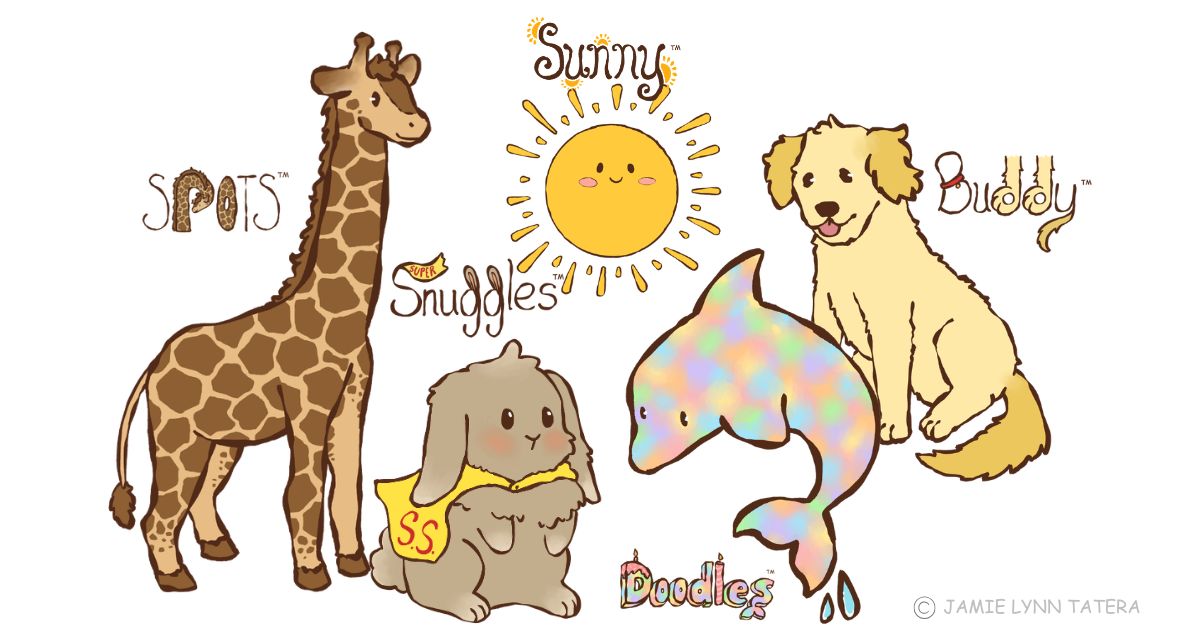
When kids struggle, they need something concrete
When a child is overwhelmed, anxious, or struggling, telling them to “calm down” or “be kind to yourself” rarely works. Children need a compassionate relationship, and they also need a playful way to practice helpful habits in real moments.
The Resilience Habit Animals give children exactly that.
Each animal represents a research-based habit from the science of mindfulness and self-compassion. These habits give children simple ways to respond when things go wrong.
Children may not be interested in doing a “self-compassion practice,” but they are often very interested in doing an animal practice. Over time, through relationships and repeated practice, the animals become a natural part of how children and adults talk about hard moments together.
The animals grew out of years of classroom teaching, parent-child programs, and educator training. They now appear throughout the Mindfulness and Self-Compassion Workbooks for Kids and the Mindfulness and Self-Compassion for Children and Caregivers (MSC-CC) class, an adaptation of the Mindful Self-Compassion program developed by Drs. Kristin Neff and Christopher Germer.
“Jamie Lynn’s playful yet deeply grounded approach translates the science of self-compassion into a language young hearts can truly feel.”
–Dr. Kristin Neff, Associate Professor at UT Austin, author of Self-Compassion and Fierce Self-Compassion
Meet the Five Resilience Habit Animals
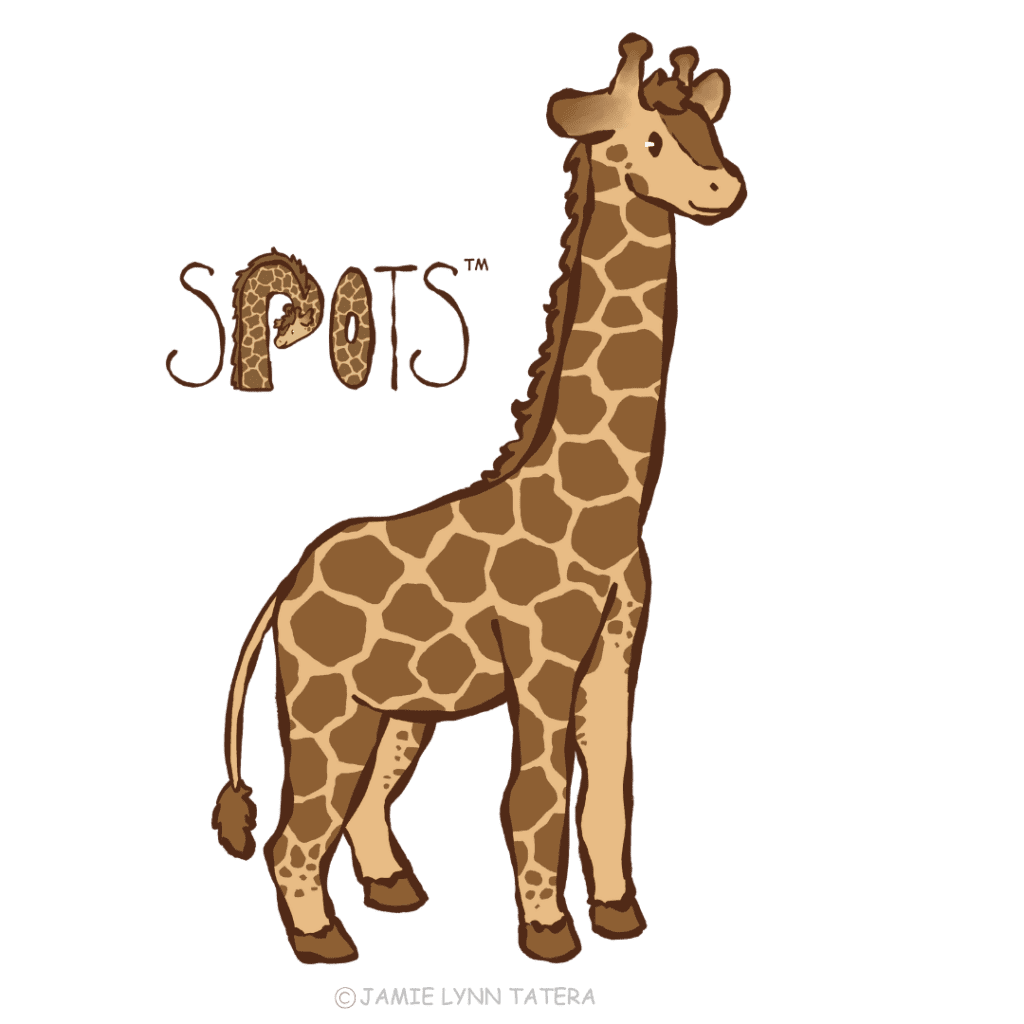
Habit: Mindful Awareness
Spots the giraffe helps children notice what is happening inside and around them. Kids learn to spot feelings, body sensations, thoughts, and the five senses. Awareness is where resilience begins.
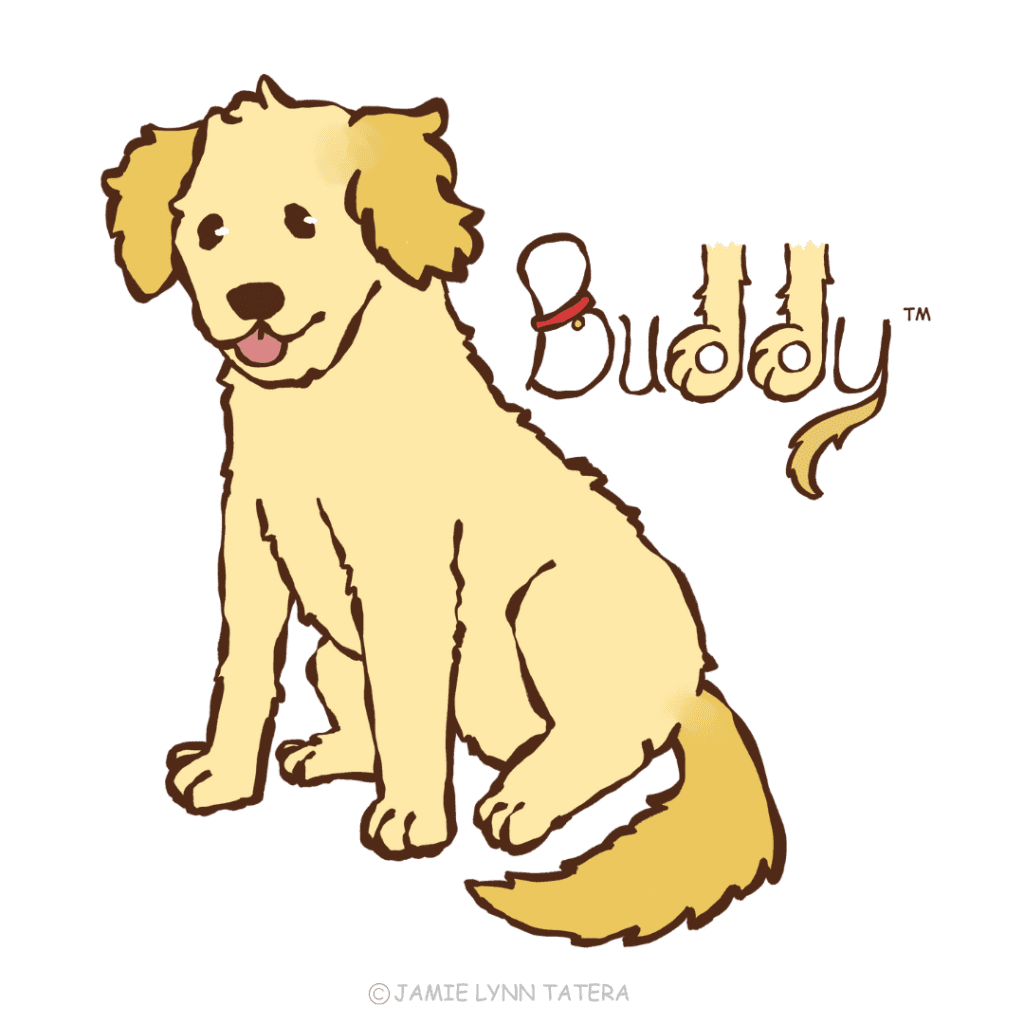
Habit: Common Humanity
Buddy the dog reminds children they are not alone. Hard moments are part of being human, and remembering that helps difficult feelings soften.

Habit: Self-Kindness
Snuggles the bunny offers comfort when things go wrong and encouragement when children need strength. Snuggles reminds children to speak to themselves the way they would speak to a good friend.

Habit: Taking in the Good
Sunny the sun reminds children that even on hard days, good things are still happening too. Our brains are wired to notice problems, so Sunny helps us practice noticing goodness alongside the hard.
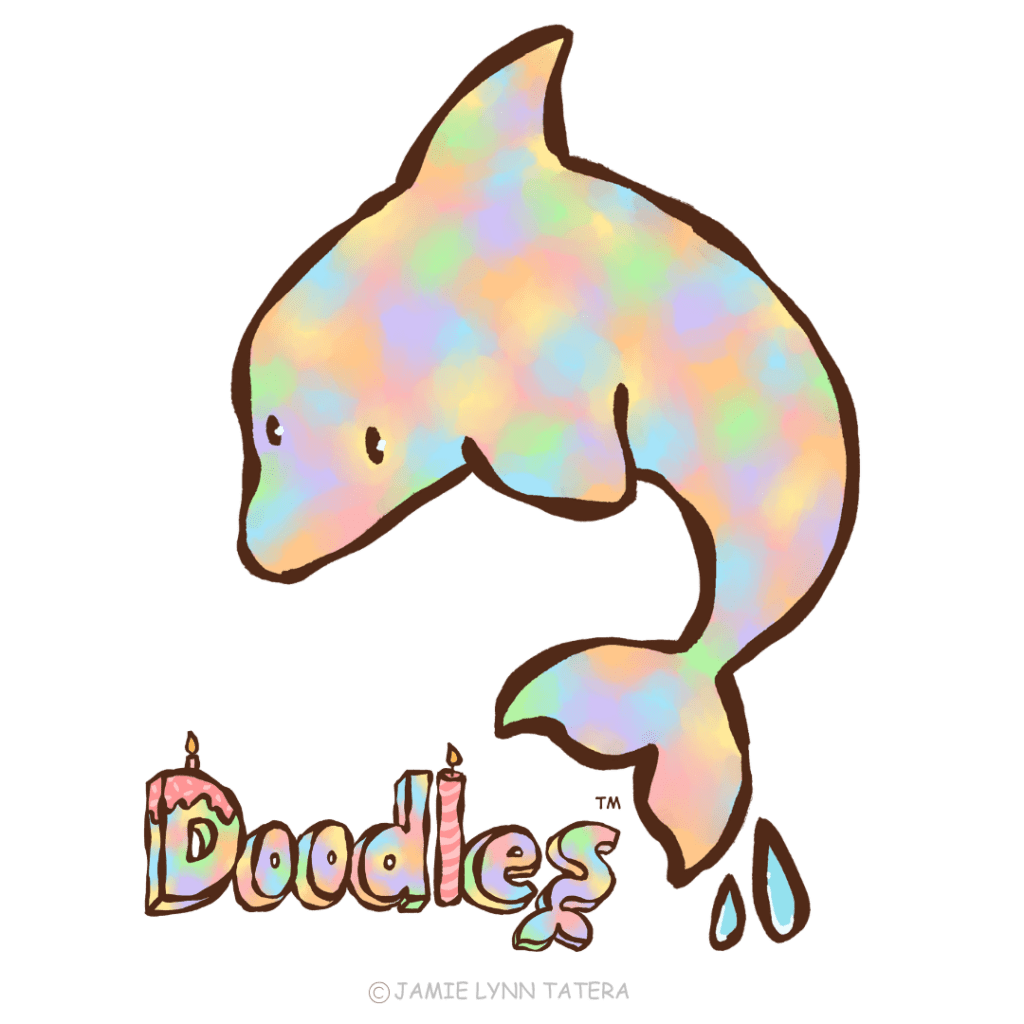
Habit: Helpful Action
Doodles the dolphin asks an important question: what can I do to take care of myself right now? Helpful action might mean solving a problem, moving your body, making art, or reaching out.
What do I need right now?
Together, these five habits help children learn one of the most powerful self-compassion questions: What do I need right now?
The Notice and Respond Rhythm
The Resilience Habit Animals work together with another set of characters called the Feelings Habit Animals.
The Feelings Habit Animals help children recognize their patterns when things go wrong. A child might notice they worry like Beaver, feel overwhelmed like Bear, hide like Chameleon, or blame themselves like Deer.
The Resilience Habit Animals answer the next question:
What might help right now?
Together, the two animal systems create a simple rhythm that children can remember:
Notice what is happening.
Respond with kindness and care.
This rhythm is part of the Relational 4-Step Framework, a teaching approach developed through years of classroom teaching, parent-child programs, and educator training. The framework shows how self-compassion grows in children through both relationships and playful practice.
Which Resilience Habit Animal Are You?
Children and grown-ups naturally lean toward some resilience habits more than others.
The Resilience Habit Animal Quiz helps kids discover their strengths and explore habits they may want to grow. It takes only a few minutes and can be a fun starting point for conversations at home, in classrooms, or in small groups.
A Playful Way to Practice the Habits
Children are naturally drawn to the Resilience Habit Animals, and bringing them to life through play makes the habits stick.
The animals guide children through adventures, comics, and more than forty activities in the Mindfulness and Self-Compassion Workbooks for Kids (Volumes 1 and 2) for ages 7 to 11.
For younger learners, the Resilience Habit Animal Stories page includes a role-play kit with printable animal cards that children can use to act out the habits and practice the language of self-compassion. Stuffed animals for each character are also available and make a wonderful companion to the workbooks and classes.
Read more about how to use each habit in everyday moments: Five Habits to Help Kids Be Resilient – Greater Good Magazine →
Where You’ll Find the Resilience Habit Animals
The animals appear throughout the Mindfulness and Self-Compassion learning ecosystem.
The Workbooks
These playful workbooks help children practice emotional awareness, kindness toward themselves, and helpful responses when life gets hard.
Animal Stories
Short read-aloud videos introduce each animal and its resilience habit. These stories are often a gentle first step for families, classrooms, and younger children.
Parent-Child Classes
The Mindfulness and Self-Compassion for Children and Caregivers (MSC-CC) program helps caregivers and children learn these habits together through shared experiences and guided practices.
MSC-CC is a research-based adaptation of the Mindful Self-Compassion program developed by Dr. Kristin Neff and Dr. Christopher Germer.
Learn about the Parent-Child Program
In Classrooms
The animals are also part of a classroom approach called Courage and Kindness for Kids, developed through years of classroom teaching and collaboration with educators in Milwaukee Public Schools.
Teachers use the animals to create a shared language for navigating difficult moments and building compassionate classroom communities.
Educators can also deepen their own practice and bring these habits to students →
Learn about the School Programs
These Habits Travel Across Settings
Children practice the resilience habits in different places and with different adults in their lives.
At home, families often use the animals as a shared language for talking about feelings and practicing kindness during everyday moments. In classrooms, teachers use the habits to help students stay engaged with learning when big feelings arise, supporting persistence, connection, and healthy risk-taking. In therapy and support settings, the animals can give children a playful, accessible way to talk about emotions and practice helpful responses.
Across all of these settings, the goal is the same: helping children learn to notice their feelings and respond with kindness, courage, and resilience.
Research and Evidence
The MSC-CC parent-child program, which integrates the Resilience Habit Animals throughout, has been examined in peer-reviewed research. Findings include significant improvements in caregiver self-compassion, parenting stress, and mindful parenting, along with significant reductions in child depression and anxiety.
Ready to help a child grow resilience?
Start with the quiz. It takes just a few minutes and gives children and grown-ups alike a playful entry point into the whole system.
You can join the newsletter to receive ongoing resources and support.